
The Shinkansen Museum — Preserving the Legacy of Japan’s First High-Speed Test Train
The Shinkansen Museum in Kokubunji preserves the Series 951, an experimental train that played a key role in the development of Japan’s high-speed rail network.
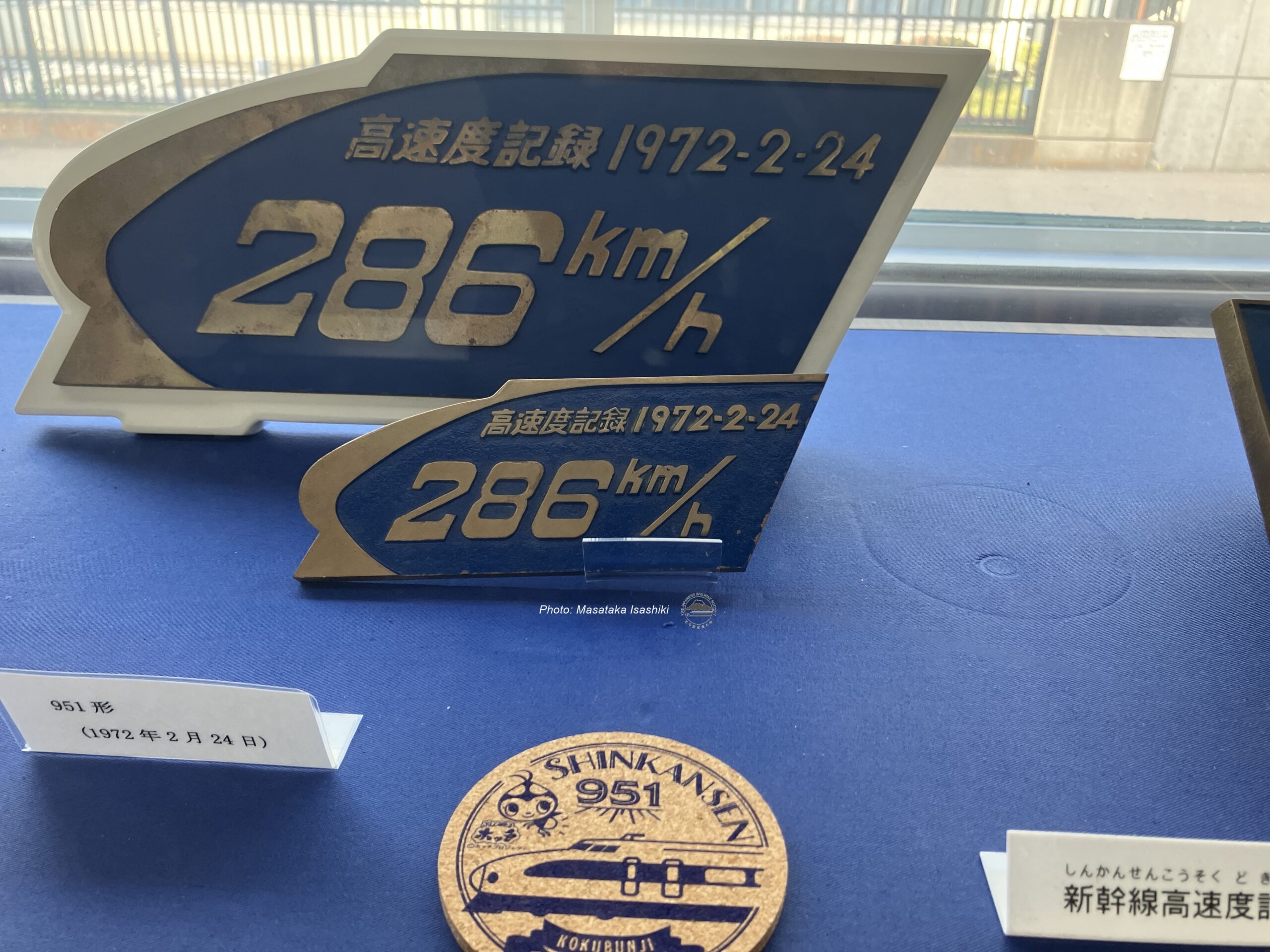
Built in 1966 by Japanese National Railways, the Series 951 was designed to evaluate technologies for future generations of the Shinkansen. During test runs on the Sanyo Shinkansen before the line opened, it achieved a speed of 286 km/h on 24 February 1972, setting a world record for electric trains at the time.
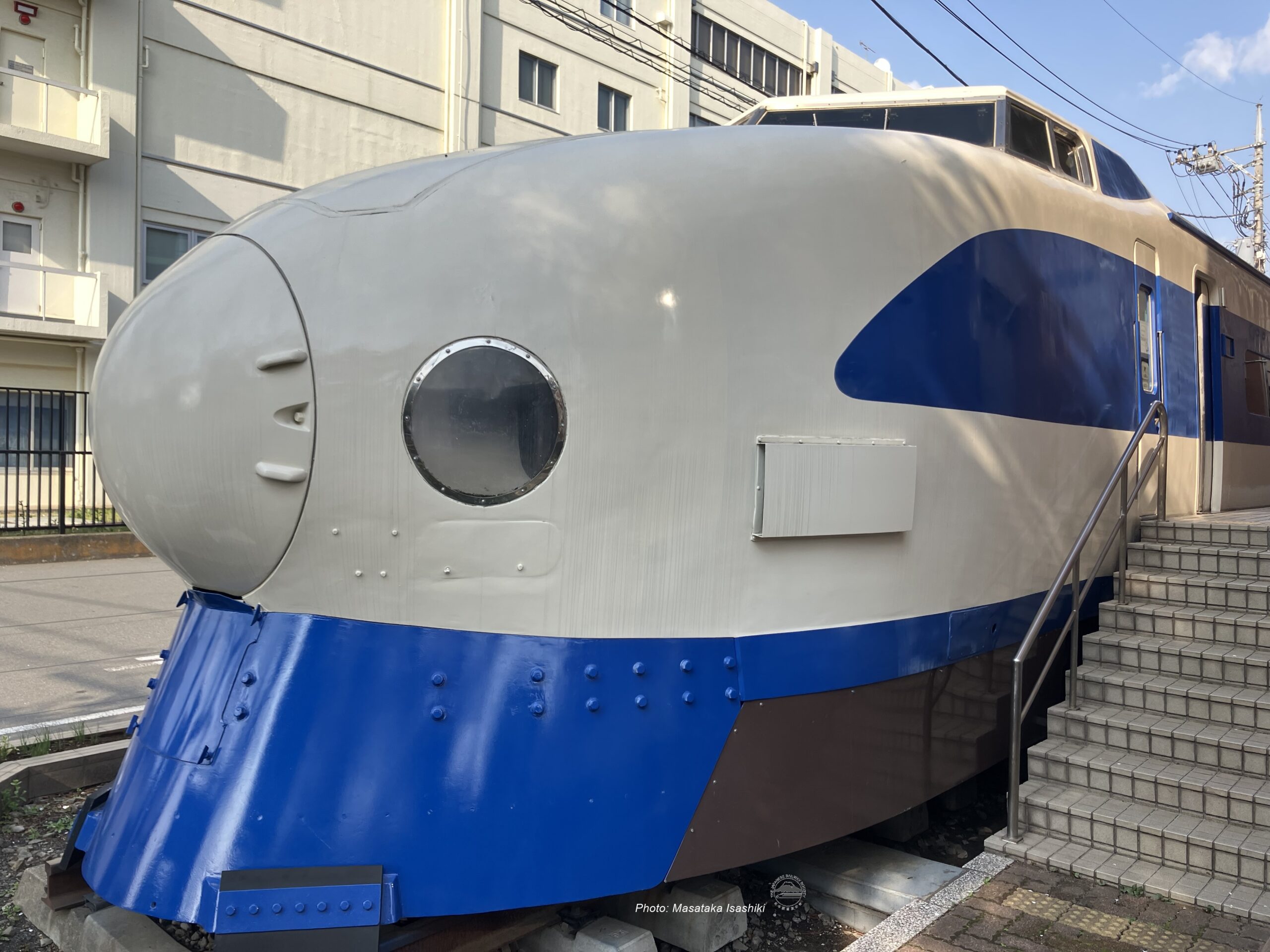
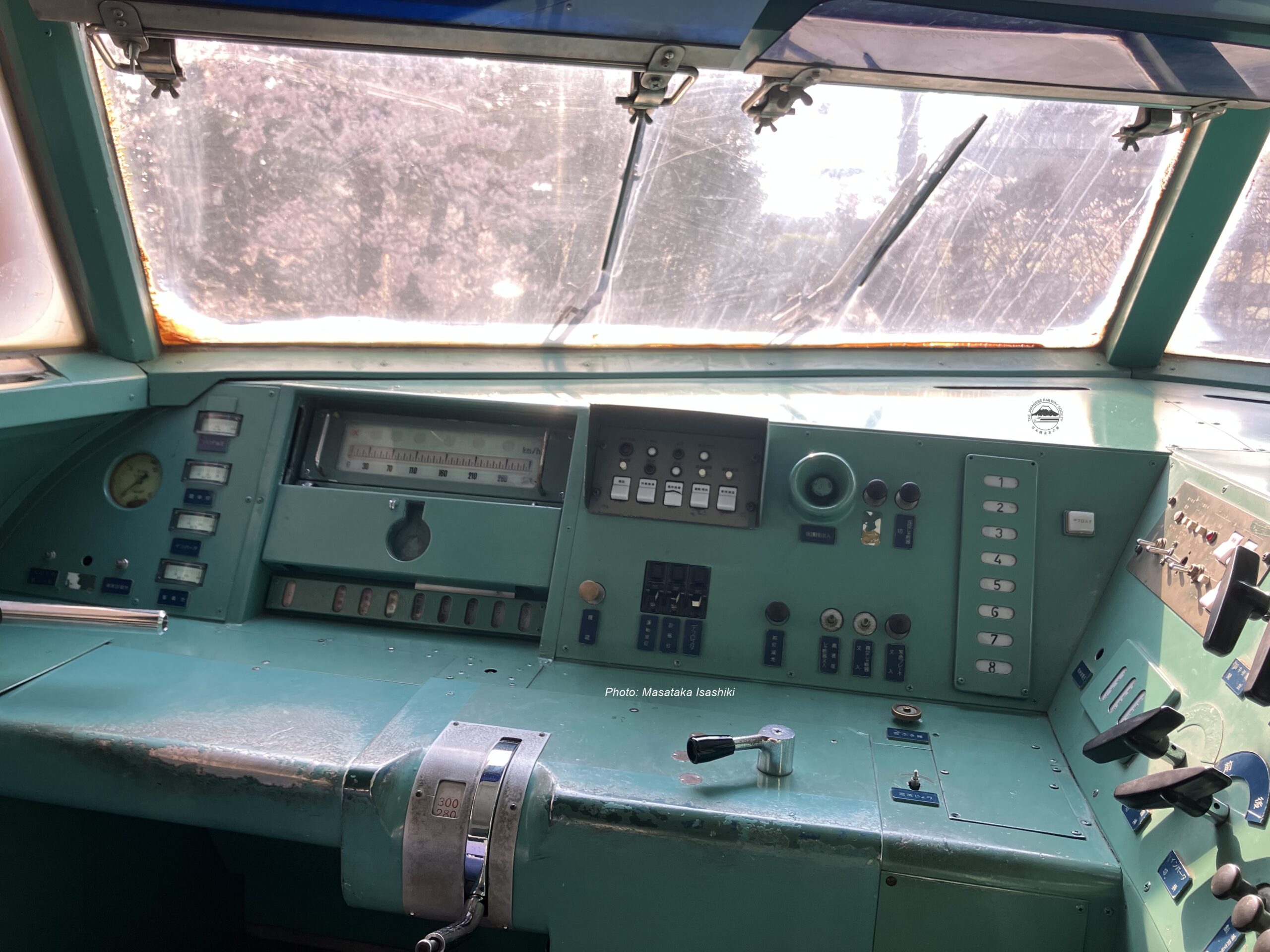
Following the completion of its testing career, the train was transferred from the Railway Technical Research Institute to the City of Kokubunji, where it now serves as the centerpiece of the Shinkansen Museum. Visitors can step inside the train, learn about the history of Shinkansen development, and experience the driver’s cab of this historic test vehicle.
All photos: Taken by Masataka Isashiki on March 29th, 2026.
 The Shinkansen Museum
The preserved Series 951 test train is displayed at the Shinkansen Museum in Kokubunji. After completing its research career, it was transferred from the Railway Technical Research Institute and opened to the public as a permanent museum exhibit.
 A World Speed Record
The museum displays commemorative emblems marking the Series 951’s achievement of 286 km/h on 24 February 1972. The record was set during test runs on the Sanyo Shinkansen before the line entered commercial service and stood as a world record for electric trains at the time.
 Inside the Driver’s Cab
Visitors can enter the train, explore exhibits on the history of Shinkansen development, and sit in the driver’s seat of one of Japan’s most important experimental railway vehicles.
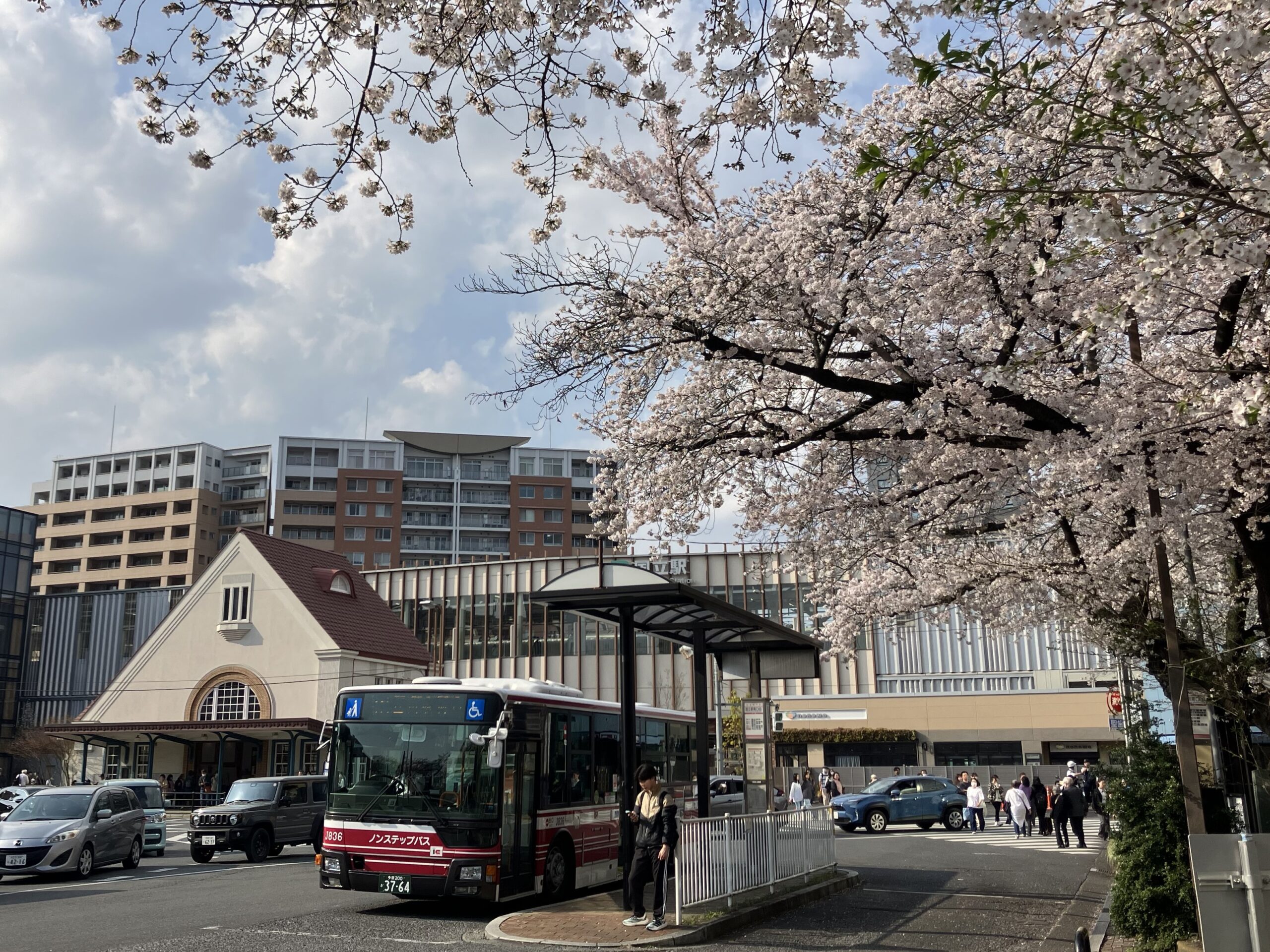 Easy Access from Kunitachi Station
The Shinkansen Museum is located about a five-minute walk from JR Kunitachi Station, making it an easy destination for anyone interested in the history of Japanese high-speed rail.